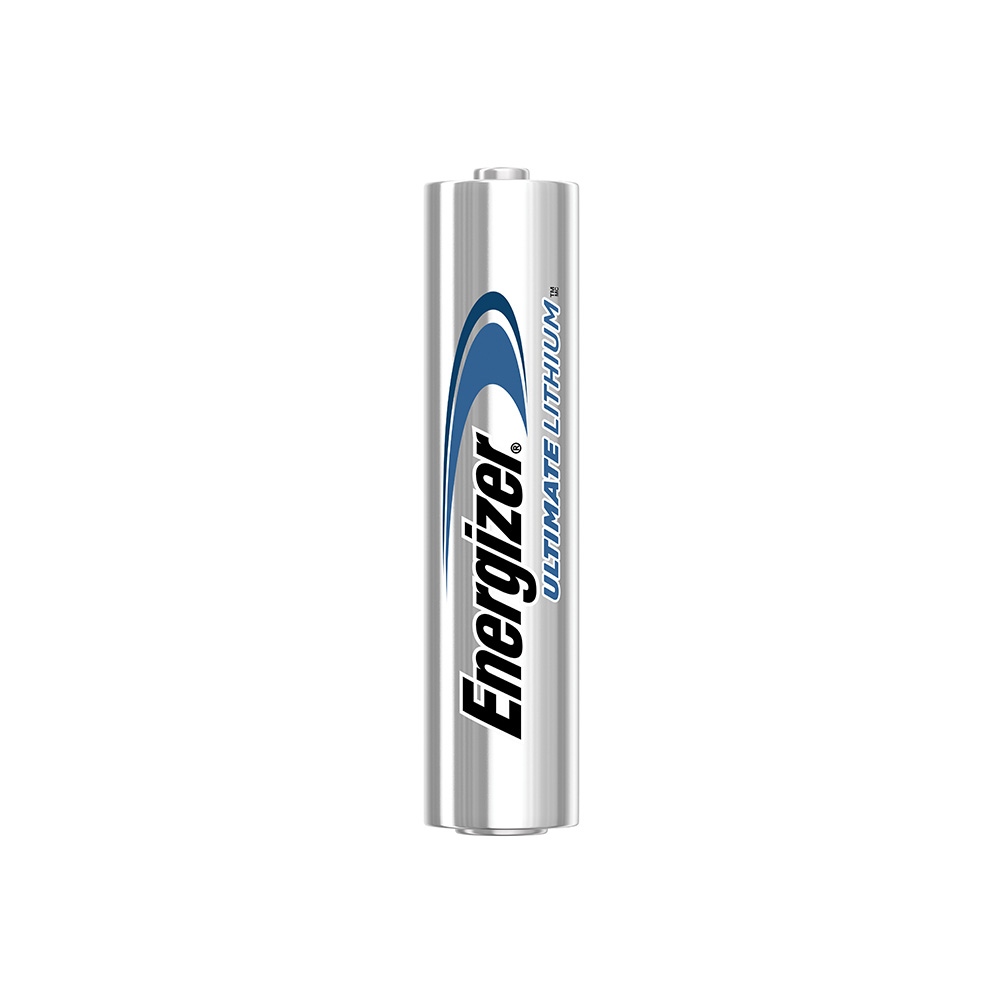
Energy by Volume: 6.5 Wh/cubic inch (398 Wh/litre)
Discharge Characteristics : (recommended drain 620W to 39W )
Shelf Life: 5 years to 80% capacity (20° C)
Temperature Range: -20° C to +55° C
Sizes: AAAA, AAA, AA, C, D and 9 volt
Weight: 12grams to 135grams
Applications: Cameras, Electric Shavers, Electronic Calculators, Electronic Door Locks, Fire Detectors, Flashlights, Pagers, Strobes, Tape Recorders, Toys, and other cordless products
Applications: Personal Digital Assistants, Electronic Organizers, Mobile Telephones, Cordless Telephones, Toys and Games, Portable Data Terminals, Cameras, Personal Care Products, Test Equipment, and Personal Audio/Video
Emerging Power is a master distributor for Energizer batteries.
Alkaline battery packs & assemblies, have many advantages over zinc-carbon cells including higher energy output. Other significant advantages of alkaline battery packs & assemblies are longer shelf life, better leakage resistance, and superior low temperature performance. In comparison to the zinc-carbon cell, the alkaline cell delivers up to ten times the ampere-hour capacity at high and continuous drain conditions, with its performance at low temperatures also being superior to other conventional aqueous electrolyte primary cells. Its more effective, secure seal provides excellent resistance to leakage and corrosion.
The most popular primary batteries are alkaline batteries. Based on manganese dioxide, zinc and a caustic potassium hydroxide-zinc oxide electrolyte, alkaline-cell technology offers greater capacity for a given cell size.
Alkaline cell performance has improved greatly over the years. These improvements have been a result of changes in packaging and manufacturing techniques rather than any improvements to the basic chemical system.
In the past, alkaline batteries were made with complex sealing systems and thick steel outer cases and end caps. During the 1980s, a method was developed that allowed manufacturers to use thinner packaging materials and more efficient seals. More room was created for active materials within a given standard cell size, and that increased capacity.
They provide excellent performance at a price premium for applications such as toys, radios, and flashlights. Brand name recognition, i.e. Energizer and Duracell, make this chemistry an excellent choice when product image is important.