
How Can Lithium-Ion Battery Suppliers Address the Challenges of Scaling Production for High-Demand Applications?

Lithium-ion batteries are increasingly essential in today’s technology-driven world. From smartphones to electric vehicles, these batteries power a wide range of devices. As demand for these batteries rises, lithium-ion battery suppliers face significant challenges in scaling production to meet this need. Addressing these challenges effectively is crucial for maintaining supply and supporting the growing market.

Understanding the Challenges in Scaling Production

  1. Increased Raw Material Requirements

Scaling up production means using more raw materials. For lithium-ion battery manufacturers in the USA, securing a steady supply of materials like lithium, cobalt, and nickel is a significant challenge. These materials are often sourced from different parts of the world, which can lead to supply chain issues. Suppliers need to establish reliable sources and manage their inventory efficiently to avoid disruptions.

  1. Manufacturing Capacity Limitations

Existing manufacturing facilities may not have the capacity to meet the growing demand. Expanding production requires significant investment in new equipment and facilities. For lithium-ion battery suppliers, this means balancing the cost of expansion with the need to maintain quality and efficiency. Upgrading facilities to handle increased production volumes while maintaining high standards is a critical challenge.

  1. Quality Control and Consistency

As production scales up, maintaining the quality and consistency of batteries becomes more difficult. High demand can lead to rushed processes, which may compromise the quality of the final product. Lithium-ion battery suppliers must implement strict quality control measures to ensure that each battery meets safety and performance standards, even when production volumes increase.

  1. Technological Upgrades

Advancements in battery technology can outpace existing manufacturing processes. Lithium-ion battery manufacturers in the USA need to continuously upgrade their technology to stay competitive. This involves investing in new production techniques and incorporating the latest advancements in battery chemistry and design. Keeping up with these technological changes is essential for meeting high demand and improving battery performance.

Strategies for Overcoming Production Challenges

  1. Building Strong Supply Chains

To address raw material shortages, lithium-ion battery suppliers can build strong relationships with multiple suppliers. Diversifying sources of raw materials helps reduce the risk of shortages and ensures a steady supply. Establishing long-term contracts with suppliers can also provide stability and predictability in material costs.

  1. Investing in Advanced Manufacturing Technologies

Upgrading manufacturing facilities with advanced technologies can help increase production capacity and efficiency. Automation and robotics can streamline production processes, reduce errors, and speed up manufacturing. For lithium-ion battery manufacturers in the USA, investing in these technologies can help meet high demand while maintaining quality.

  1. Implementing Robust Quality Assurance Programs

To ensure quality and consistency, lithium-ion battery suppliers should implement comprehensive quality assurance programs. This includes regular testing and inspection of raw materials, intermediate products, and final batteries. By maintaining rigorous quality control standards, suppliers can deliver reliable and safe batteries even as production scales up.

  1. Optimizing Production Processes

Improving production processes can enhance efficiency and reduce waste. Suppliers should analyze their current processes to identify areas for improvement. Streamlining operations, reducing downtime, and optimizing workflow can help increase production capacity and meet growing demand more effectively.

Conclusion: Meeting the Challenges with Emerging Power

As the demand for lithium-ion batteries continues to rise, addressing the challenges of scaling production is crucial for lithium-ion battery suppliers. By building strong supply chains, investing in advanced manufacturing technologies, implementing robust quality assurance programs, and optimizing production processes, suppliers can overcome these challenges and support high-demand applications.

Emerging Power is committed to leading the way in addressing these challenges. With a focus on innovation and efficiency, they are dedicated to advancing battery technology and meeting the growing needs of the market. As the industry evolves, Emerging Power remains at the forefront, providing reliable and high-quality solutions for a wide range of applications.

What Makes Lithium-Thionyl Chloride Batteries Last So Long?

Lithium-thionyl chloride batteries are well-known for their long-lasting power. Unlike many other batteries, these can maintain their charge for many years. This makes them a preferred choice for applications where devices need to run continuously without frequent battery changes. But what exactly contributes to the impressive longevity of these batteries?

How Lithium-Thionyl Chloride Batteries Work

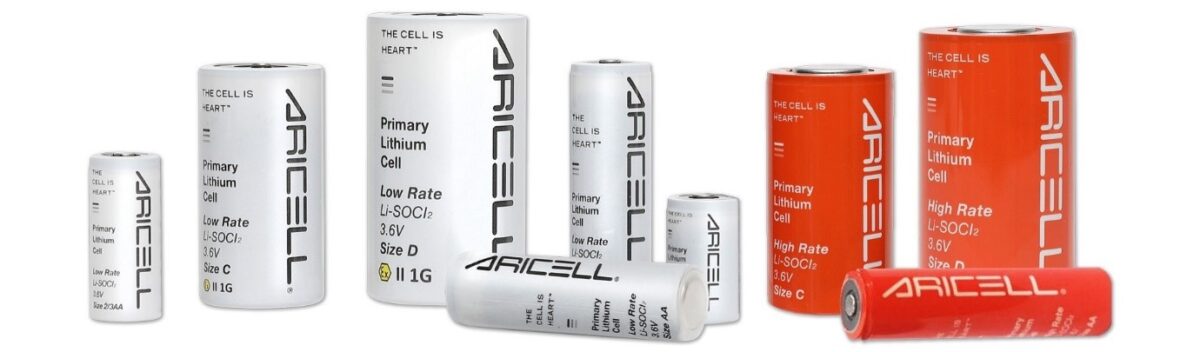
Lithium-thionyl chloride batteries use lithium metal as the anode and thionyl chloride (SOCl2) as the cathode. This unique combination is key to their long life. Lithium is highly reactive and has a high energy density, which means it can store a lot of energy. Thionyl chloride is also very reactive, and it helps create a stable chemical reaction that efficiently generates electricity.

Chemical Stability for Longevity

One major reason for the long life of lithium-thionyl chloride batteries is their chemical stability. The reaction between lithium and thionyl chloride is very stable over time. This stability means that the battery can retain its energy for a long time without degrading. The chemicals inside the battery react slowly, which prevents rapid discharge and extends the overall battery life.

Low Self-Discharge Rate

Lithium-thionyl chloride batteries have a very low self-discharge rate. Self-discharge refers to the loss of charge that happens even when the battery is not in use. In most batteries, this rate can be quite high, leading to a loss of power over time. However, lithium-thionyl chloride batteries are designed to minimize this self-discharge, allowing them to hold their charge for years without significant loss.

Efficient Energy Storage

The design of lithium-thionyl chloride batteries allows for efficient energy storage. The high energy density of lithium means that these batteries can store a large amount of energy in a small space. This compact design helps maintain their efficiency over time. The chemical reactions involved are optimized to ensure that the battery can deliver consistent power throughout its life.

Temperature Range and Environmental Factors

Another factor contributing to the long life of lithium-thionyl chloride batteries is their ability to operate across a wide temperature range. These batteries can function well in both high and low temperatures. This flexibility makes them suitable for use in harsh environments where other batteries might fail. Their performance in extreme conditions further adds to their durability and longevity.

Applications That Benefit from Long Life

Many applications benefit from the long life of a lithium-thionyl chloride battery. For instance, they are used in remote sensors that are difficult to access. Because these sensors need to operate continuously without regular maintenance, the long-lasting power of these batteries is crucial. Other applications include medical devices, aerospace equipment, and industrial monitoring systems where reliability and extended battery life are essential.

Business Impact: Emerging Power

Emerging Power understands the importance of battery longevity and offers lithium-thionyl chloride batteries for various applications. With a focus on providing reliable and long-lasting power solutions, Emerging Power ensures that clients receive batteries that meet their needs for durability and efficiency. The company’s commitment to quality helps industries benefit from the impressive longevity of these batteries, ensuring that their devices operate smoothly and reliably over time.

Final Thoughts

The long life of lithium-thionyl chloride batteries can be attributed to several key factors. Their chemical stability, low self-discharge rate, efficient energy storage, and ability to perform across a wide temperature range all contribute to their impressive longevity. These features make them ideal for applications that require reliable, long-term power. With Emerging Power providing high-quality lithium-thionyl chloride batteries, industries can ensure their devices operate effectively and efficiently for extended periods.

Why Is a Lithium-Ion Battery Not Used for the Long Run?

Lithium-ion batteries are commonly used in many electronic devices, from smartphones to laptops. They offer several advantages, such as high energy density and a relatively lightweight design. However, despite their many benefits, they are not always the best choice for long-term use. Understanding why this is the case involves examining their limitations and challenges.

High Capacity vs. Longevity

While high capacity lithium-ion batteries can store a lot of energy, their performance may degrade over time. These batteries are designed to provide a high amount of power in a compact form. However, their ability to maintain this power diminishes with repeated use. This degradation occurs because the battery’s internal components wear out after many charge and discharge cycles. As a result, the battery’s overall lifespan is limited, making it less ideal for applications requiring long-term reliability.

The Impact of Charge Cycles

A significant factor affecting the longevity of power Li-ion batteries is the number of charge cycles they undergo. Each time a battery is charged and discharged, it goes through a cycle that affects its internal chemistry. Over time, these cycles cause the battery to lose its capacity to hold a charge. For instance, after several hundred charge cycles, a lithium-ion battery may only hold 80% of its original capacity. This reduction in capacity can lead to shorter device usage times and the need for more frequent replacements.

Temperature Sensitivity

Power Li-ion batteries are sensitive to temperature changes, which can impact their performance and lifespan. Extreme temperatures, whether hot or cold, can accelerate the degradation of the battery’s materials. High temperatures can cause the battery to overheat, while low temperatures can reduce its ability to deliver power effectively. This temperature sensitivity limits the battery’s suitability for applications where stable and reliable performance is required over long periods.

Degradation of Battery Cells

Another issue with high capacity lithium-ion batteries is the gradual degradation of their individual cells. As the battery ages, the cells can become less efficient at storing and releasing energy. This degradation is often due to the buildup of chemical byproducts inside the battery. These byproducts can interfere with the battery’s ability to function properly, leading to reduced performance and potential failure.

Cost and Maintenance

Using power Li-ion batteries for long-term applications can also be cost-prohibitive. While these batteries are initially more affordable than some alternatives, their frequent replacement and maintenance needs can add up over time. The costs associated with replacing worn-out batteries and maintaining devices that rely on them can outweigh the benefits of using lithium-ion technology for the long run.

Applications Where Lithium-Ion Batteries Shine

Despite their limitations, high capacity lithium-ion batteries are still widely used in many applications where their advantages outweigh their drawbacks. They are particularly effective in devices where high power output and lightweight design are essential, such as in portable electronics and electric vehicles. For these applications, the benefits of lithium-ion technology often justify the trade-offs in terms of longevity.

In summary

While lithium-ion batteries offer impressive power and efficiency, their use for the long run is limited by factors such as capacity degradation, temperature sensitivity, and the effects of charge cycles. For applications requiring long-term reliability, it may be necessary to consider alternative battery technologies or additional measures to extend the battery’s lifespan. Companies like Emerging Power are working to address these challenges and develop advanced battery solutions that can better meet the demands of long-term use. Understanding these limitations helps in choosing the right battery technology for each specific application.

Analyzing the Trade-Offs Between Capacity and Power Density in Custom Lithium-Ion Battery Packs

When designing custom lithium-ion battery packs, engineers often face a key challenge: balancing capacity and power density. These two factors are crucial for determining how well a battery performs in various applications. Custom battery packs need to be tailored to specific needs, and understanding the trade-offs between capacity and power density is essential for optimizing performance.

What Is Capacity and Power Density?

Capacity refers to the amount of energy a battery can store. It is usually measured in milliampere-hours (mAh) or ampere-hours (Ah). A higher capacity means the battery can store more energy, which translates to longer usage time before needing a recharge.

Power density, on the other hand, indicates how quickly a battery can deliver energy. It is usually measured in watts per kilogram (W/kg). A higher power density means the battery can provide more power quickly, which is important for applications requiring high bursts of energy.

The Trade-Offs Between Capacity and Power Density

1.Capacity vs. Power Density

Increasing the capacity of a custom lithium-ion battery pack often means sacrificing some power density. This is because batteries with higher capacity typically have larger cells or more active material, which can reduce their ability to deliver energy quickly. For example, a battery designed to provide long-lasting power might not be able to supply high bursts of power needed for devices with sudden energy demands.

Conversely, a battery designed for high power density might have less capacity. It can deliver energy quickly but will deplete faster and require more frequent recharging. This trade-off is a critical consideration when designing custom battery packs for different applications.

2.Application-Specific Requirements

The balance between capacity and power density depends on the application. For example:

  • Portable Electronics: Devices like smartphones and tablets need a balance of both capacity and power density. They require enough energy to last through the day but also need the ability to handle high power bursts for tasks like gaming or video streaming.
  • Electric Vehicles (EVs): EVs need high capacity to ensure long driving ranges. However, they also require good power density for acceleration and performance. Custom battery packs for EVs often focus more on capacity but must still maintain sufficient power density.
  • Medical Devices: Many medical devices require batteries with high capacity to operate over long periods without frequent replacements. However, some devices also need the ability to deliver power quickly in emergencies. Here, custom battery packs are designed to prioritize capacity while still providing adequate power density.

Design Considerations for Custom Lithium-Ion Battery Packs

1.Cell Chemistry and Design

Different cell chemistries and designs impact both capacity and power density. For instance, lithium iron phosphate (LiFePO4) cells offer lower power density but high capacity and safety. In contrast, lithium cobalt oxide (LCO) cells provide higher power density but generally have lower capacity.

When designing a custom battery pack, the choice of cell chemistry can significantly affect the trade-off between capacity and power density.

2. Thermal Management

Effective thermal management is essential for optimizing both capacity and power density. High power density can generate more heat, which can affect battery performance and safety. Custom battery packs need to include proper cooling mechanisms to manage heat and maintain performance.

3.Battery Management System (BMS)

A well-designed Battery Management System (BMS) helps balance the capacity and power density of a custom battery pack. The BMS monitors and manages the battery’s charge and discharge rates, helping to optimize performance and extend battery life.

Summing Up

Balancing capacity and power density in custom lithium-ion battery packs is a complex process that requires careful consideration of the specific needs of the application. By understanding the trade-offs between these factors, designers can create custom battery packs that offer the right balance of energy storage and delivery. This optimization is crucial for ensuring that batteries perform effectively in their intended applications.

Emerging Power, a leading custom lithium battery manufacturer, designs custom lithium-ion battery packs that meet the unique needs of various industries. Whether you need high capacity, high power density, or a balance of both, our expertise ensures that your battery solutions are tailored to deliver optimal performance.

What Is a Battery Energy Storage System and How Does It Work?

Battery energy storage systems (BESS) are crucial technologies that store electrical energy for later use. They play a pivotal role in modern energy management, offering flexibility and efficiency in power distribution. Understanding how these systems operate is essential for grasping their significance in today’s energy sector.

Overview of Battery Energy Storage Systems

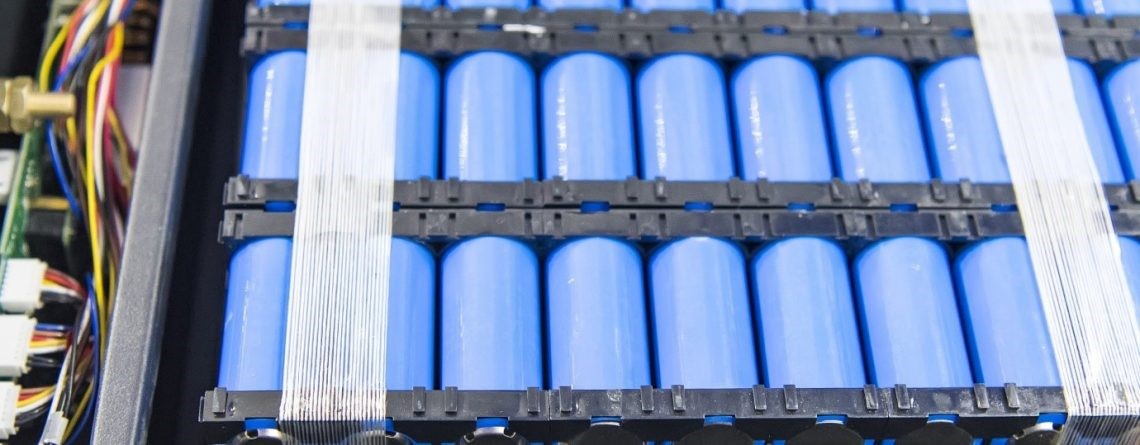
A battery energy storage system consists of multiple battery packs connected to an inverter. The inverter converts direct current (DC) from the batteries into alternating current (AC), which is suitable for grid-connected applications or for powering electric loads. These systems vary in size from small residential units to large-scale installations used by utilities.

Components of a Battery Energy Storage System

Key components include the battery, which can range from lithium-ion to lead-acid depending on the application. Each type offers different advantages such as energy density, cycle life, and maintenance requirements. The inverter is critical for converting electricity efficiently, ensuring that energy flows smoothly between the grid and the batteries.

Battery High Performance and Applications

The demand for battery high performance has driven advancements in battery technology, resulting in more efficient and reliable systems. Polymer battery manufacturers continually innovate to meet industry standards and consumer needs. These batteries are used not only in energy storage systems but also in portable electronics and electric vehicles, highlighting their versatility and importance.

Operation and Functionality

During operation, the battery energy storage system stores excess energy when supply exceeds demand. This stored energy can be discharged when demand exceeds supply, thereby balancing the grid and increasing grid stability. Battery management systems (BMS) play a crucial role in monitoring and controlling battery performance, ensuring optimal operation and longevity.

Benefits and Advantages

The advantages of battery energy storage systems are manifold. They include peak shaving—reducing electricity costs by discharging stored energy during peak demand periods—and grid stabilization, which enhances reliability and resilience. Additionally, these systems support renewable energy integration by mitigating intermittency and enabling smoother power delivery.

Future Trends and Conclusion

Looking ahead, advancements in battery technology promise even greater efficiency and cost-effectiveness. As Emerging Power continues to innovate in battery storage solutions, the industry will likely see increased deployment of smart grid technologies and micro grids, transforming energy management globally.

Integration with Renewable Energy Sources

Battery energy storage systems enable the integration of renewable energy sources like solar and wind power into the grid. They store excess energy produced during peak periods and distribute it during low production times or periods of high demand. This capability helps smooth fluctuations in renewable energy output, making it more reliable and predictable for utilities and consumers alike.

Applications in Emergency Backup and Off-Grid Solutions

Battery energy storage systems serve critical roles in emergency backup situations and off-grid applications. In areas prone to power outages, these systems provide uninterrupted electricity supply until grid power is restored. They are also essential for off-grid installations, such as remote communities and telecommunication towers, ensuring continuous power availability without reliance on traditional grid infrastructure.

In conclusion

Understanding the fundamentals of battery energy storage systems is essential for navigating the complexities of modern energy infrastructure. These systems not only enhance grid reliability and efficiency but also pave the way for a more sustainable and resilient energy future. Polymer battery manufacturers play a crucial role in advancing the technology, continually improving battery performance and durability to meet the evolving demands of energy storage applications. Emerging Power is leading manufacturer of different types of batteries used as a battery energy storage system. Follow us for deep-insight into the battery energy storage systems and range of battery packs used for multiple applications.

How Do Advancements in Nanotechnology Influence the Development of Rechargeable Lithium-Ion Battery Packs?

Advancements in nanotechnology have profoundly impacted the development of rechargeable lithium-ion battery packs, revolutionizing their efficiency and capabilities. At the core of this transformation lies the ability to manipulate materials at an incredibly small scale, between 1 to 100 nanometers, to enhance various aspects of battery performance.

Nanotechnology’s Role in Battery Improvement

Nanotechnology has enabled significant improvements in energy storage and battery lifespan. By incorporating nanomaterials such as nanowires and nanoparticles into battery electrodes, manufacturers can increase the surface area available for chemical reactions. This enhancement allows for more lithium ions to be stored and released during charging and discharging, leading to batteries that can last longer between charges.

Enhanced Efficiency and Power

The use of nanotechnology also improves the efficiency of lithium-ion batteries. Nanoscale engineering helps to stabilize the battery’s internal structure, reducing energy loss during operation. This results in batteries that can deliver more power without overheating or losing capacity over time.

Safety Innovations

Another critical benefit of nanotechnology in battery development is improved safety. Nanomaterials can be designed to enhance the stability of battery components, reducing the risk of short circuits and thermal runaway. This makes lithium-ion batteries safer for use in various applications, from consumer electronics to electric vehicles.

Environmental Impact

Advancements in nanotechnology also contribute to environmental sustainability. By optimizing the materials used in battery production and improving recycling processes, manufacturers can reduce the environmental footprint of lithium-ion batteries. This includes minimizing the use of rare earth elements and toxic chemicals traditionally found in battery manufacturing.

Future Directions

Looking forward, ongoing research in nanotechnology continues to push the boundaries of what is possible in battery technology. Scientists are exploring new nanomaterials and manufacturing techniques to further enhance battery performance and durability. Innovations such as self-healing electrodes and smart battery management systems are expected to lead to even more efficient and reliable lithium-ion batteries in the future.

Improved Charging Speeds and Durability

Nanotechnology facilitates faster charging speeds and enhances the durability of rechargeable lithium-ion battery packs. Nanostructured electrodes allow for quicker ion diffusion and more efficient electron transfer, reducing charging times significantly. Moreover, the enhanced structural stability provided by nanomaterials helps batteries withstand numerous charge-discharge cycles without degradation, making them more reliable and long-lasting.

Integration with Smart Grid Technologies

Advancements in nanotechnology enable rechargeable lithium ion battery pack to integrate seamlessly with smart grid technologies. Nanoscale sensors and advanced materials improve the ability of batteries to communicate with the grid, optimizing energy storage and distribution. This integration supports grid stability by balancing supply and demand fluctuations, promoting more efficient use of renewable energy sources and enhancing overall energy management capabilities.

Conclusion

Nanotechnology plays a crucial role in advancing the capabilities of rechargeable lithium-ion battery packs. By leveraging nanoscale materials and engineering techniques, manufacturers can create batteries that are more powerful, efficient, and safer than ever before. As Emerging Power continues to innovate in this field, the future holds promising advancements that could reshape energy storage solutions across industries.

From Smart Door Locks to Wi-Fi Lighting: IoT is Driving the Custom Battery Packs Market

The Internet of Things (IoT) has revolutionized how devices interact and operate in our daily lives. From smart door locks that enhance home security to Wi-Fi-enabled lighting systems that adjust to our preferences, Internet of Things IoT technologies rely heavily on custom battery packs to power their functionality. This burgeoning market for specialized power solutions is reshaping the landscape of battery manufacturing and innovation.

The Role of IoT in Device Connectivity

IoT devices are created to connect and communicate through the internet, facilitating remote monitoring, control, and automation. They serve various purposes across smart home appliances, wearable health monitors, and industrial sensors. Each of these applications requires custom battery packs tailored to their specific power needs and operational requirements.

Demand for Custom Battery Packs

As IoT adoption continues to grow, so does the demand for custom battery packs. Unlike standard batteries, which may not meet the unique voltage, size, or longevity requirements of IoT devices, custom packs are designed to deliver optimal performance in diverse environments and applications. Custom battery manufacturers play a pivotal role in meeting this demand by offering customized solutions that ensure reliable operation and longevity.

Challenges and Solutions in Custom Battery Manufacturing

Developing custom battery packs for IoT devices presents unique challenges. These include optimizing energy density to prolong device lifespan, ensuring compatibility with IoT connectivity protocols, and maintaining safety standards. Battery manufacturers address these challenges through advanced materials, innovative design processes, and rigorous testing protocols to deliver batteries that meet stringent performance and reliability criteria.

Innovation Driving Market Growth

Innovation in battery technology is pivotal to the growth of the custom battery packs market. Advancements such as solid-state batteries, flexible battery substrates, and energy-efficient chemistries are expanding the capabilities of IoT devices while reducing their environmental footprint. These innovations enable devices to operate longer between charges and withstand harsh conditions, making them suitable for a wide range of IoT applications.

Future Prospects and Industry Trends

Looking ahead, the future of the custom battery packs market looks promising. As IoT devices become more pervasive across industries and consumer sectors, the demand for reliable and efficient power solutions will continue to rise. Trends such as wireless charging, battery miniaturization, and integration with renewable energy sources are expected to drive further innovation in the field.

Scalability and Flexibility

IoT devices vary widely in size, power requirements, and functionality, necessitating scalable and flexible battery solutions. Custom battery packs can be designed to accommodate these diverse needs, whether for small, low-power sensors or large-scale industrial IoT deployments. Manufacturers leverage modular designs and adaptable manufacturing processes to meet varying demand scales and specifications, ensuring IoT devices receive optimized power solutions tailored to their specific applications.

Conclusion

The rapid expansion of IoT technologies is fueling the growth of the custom battery packs market. As devices become smarter and more interconnected, the need for specialized power solutions becomes increasingly critical. Emerging Power remains committed to driving innovation in custom battery manufacturing, offering you the best iot battery pack that operate seamlessly and efficiently in our connected world.

Military Battery: Key Energy Source For Military Technology

Military rechargeable batteries are essential components powering advanced military technology across various applications. These batteries provide reliable energy storage solutions that are crucial for missions requiring durability and longevity in challenging environments.

Importance of Military Rechargeable Batteries

Military operations demand military power solutions that can withstand rigorous conditions and extended deployments. Rechargeable batteries are preferred for their ability to be reused, reducing logistical strain and environmental impact compared to single-use alternatives.

Applications in Military Technology

Military rechargeable batteries are integral to:

  • Portable Electronics: Powering communication devices, GPS systems, and night vision goggles essential for situational awareness.
  • Unmanned Systems: Providing energy for drones, unmanned aerial vehicles (UAVs), and autonomous ground vehicles used in reconnaissance and surveillance.
  • Weapon Systems: Energizing advanced weapon platforms, such as missile guidance systems and laser targeting devices, ensuring precision and effectiveness.

Performance and Durability

The military power solutions industry prioritizes batteries that offer:

  • High Energy Density: Packing more power into smaller, lightweight packages for increased mobility and reduced weight burden on soldiers.
  • Shock and Vibration Resistance: Withstanding rough terrain and combat conditions without compromising performance.
  • Long Cycle Life: Enduring multiple charge-discharge cycles reliably to support prolonged missions.

Challenges in Military Battery Technology

Developing military rechargeable batteries faces unique challenges:

  • Temperature Extremes: Operating in environments from freezing cold to scorching heat requires batteries that maintain performance across wide temperature ranges.
  • Security and Reliability: Ensuring batteries are resistant to tampering and capable of providing uninterrupted power in critical situations.

Innovations Driving Military Power Solutions

Advancements in battery technology are crucial for enhancing military power solutions:

  • Improved Chemistry: Lithium-ion and lithium-polymer batteries offer higher energy densities and longer operational life spans compared to traditional alternatives.
  • Smart Battery Management: Integrated systems monitor and optimize battery usage, extending operational uptime and reliability.
  • Alternative Power Sources: Exploring renewable energy integration and hybrid solutions to reduce reliance on conventional fuels and extend mission capabilities.

Future Outlook

The future of military technology hinges on sustainable and resilient military power solutions:

  • Enhanced Integration: Seamless integration of batteries into wearable technology and soldier systems to enhance mobility and operational effectiveness.
  • Environmental Impact: Emphasis on eco-friendly battery disposal and recycling practices to minimize environmental footprint and comply with regulatory standards.

Applications in Military Technology

Military rechargeable batteries are integral to:

  • Portable Electronics: Powering communication devices, GPS systems, and night vision goggles essential for situational awareness.
  • Unmanned Systems: Providing energy for drones, unmanned aerial vehicles (UAVs), and autonomous ground vehicles used in reconnaissance and surveillance.
  • Weapon Systems: Energizing advanced weapon platforms, such as missile guidance systems and laser targeting devices, ensuring precision and effectiveness.

Sustainability and Efficiency

In addition to performance, military power solutions are increasingly focusing on sustainability and efficiency:

  • Energy Conservation: Implementing energy-efficient technologies and practices to maximize battery life and reduce overall energy consumption during missions.
  • Reduced Logistics Footprint: Utilizing rechargeable batteries minimizes the logistical strain of transporting and disposing of single-use batteries, contributing to operational efficiency and cost savings.

 Conclusion

Military rechargeable batteries are indispensable for modern military power solutions, providing reliable energy storage essential for various applications in defense technology. As advancements continue, companies like Emerging Power are at the forefront of developing innovative battery technology to meet the stringent demands of military operations. Their contributions ensure that soldiers have access to the power they need, when they need it, enhancing mission success and safety in the field.

What Makes Lithium Iron Battery Packs Ideal for E-Bikes?

Lithium iron battery packs have emerged as the preferred choice for powering e-bikes due to their specific advantages over traditional battery technologies. These batteries utilize lithium primary cell technology, offering enhanced performance and efficiency tailored for electric bicycles.

Advantages of Lithium Iron Battery Packs:

  • High Energy Density: Lithium iron battery packs boast a high energy density, meaning they can store a significant amount of energy in a relatively compact and lightweight package. This is crucial for e-bikes, as it allows riders to travel longer distances on a single charge without adding excessive weight to the bike.
  • Long Cycle Life: One of the key benefits of lithium iron battery packs is their long cycle life. They can endure hundreds to thousands of charge-discharge cycles, making them highly durable and cost-effective over the lifespan of an e-bike. This longevity reduces the frequency of battery replacements, which is both convenient and economical for riders.
  • Fast Charging Capability: Lithium iron batteries typically support faster charging times compared to other battery types. This feature is particularly advantageous for e-bike users who need to recharge their batteries quickly, allowing for more flexibility in their daily routines and travel plans.
  • Lightweight and Compact Design: Compared to traditional lead-acid batteries, lithium iron battery packs are significantly lighter and more compact. This contributes to improved handling and overall performance of e-bikes, as the reduced weight enhances maneuverability and efficiency.
  • Environmental Friendliness: Lithium iron battery packs are more environmentally friendly compared to traditional lead-acid batteries. They have lower maintenance requirements and do not contain harmful heavy metals like lead, which can pose disposal challenges and environmental risks. This makes lithium iron batteries a cleaner and greener choice for powering e-bikes, aligning with global efforts towards sustainable transportation solutions.

Unique Applications in E-Bikes:

The specific characteristics of lithium iron battery packs make them well-suited for the unique requirements of e-bikes. Unlike conventional bicycles, e-bikes rely on battery power to assist riders with pedaling or provide full electric propulsion. The high energy density and long cycle life of lithium iron batteries ensure consistent performance and reliability, even under demanding riding conditions.

Considerations for E-Bike Manufacturers and Users:

When choosing a battery pack for e-bikes, manufacturers and users prioritize factors such as energy efficiency, reliability, and environmental impact. Lithium iron battery packs fulfill these criteria by offering a balance of performance and sustainability, aligning with the growing trend towards eco-friendly transportation solutions.

Summing Up

Lithium iron battery packs represent a significant advancement in battery technology for e-bikes, providing enhanced energy storage, durability, and efficiency compared to traditional alternatives. Their lightweight and compact design, coupled with fast charging capabilities and long cycle life, make them the ideal choice for powering modern electric bicycles. Emerging Power specializes in developing and supplying cutting-edge lithium iron battery packs tailored to meet the evolving needs of e-bike manufacturers and riders alike. We welcome you to explore our battery packs and understand how we are making difference with our safe and reliable battery packs.